
THe PROBLEM
Two thirds of Australians don’t move their bodies enough to look after their health and happiness. And when we do move around, instead of using our bodies, too often we’re using resources that are destroying our planet.
THE SOLUTION
We need to get Australia moving around by bike. It’s cheap, easy, convenient and good for our environment. We want to see Australia become a nation of bike riders where our liveable communities are full of happy and healthy people pedalling.
Why are we here?
Bicycle Network is Australia’s biggest bike riding organisation, supported by nearly 50,000 members nationwide.
WE ARE a nationally trusted organisation that collaborates to advocate, educate and innovate on behalf of all people who want to ride.
OUR VISION is a healthy, sustainable society, where everyone can safely ride a bike every day.
OUR PURPOSE is to promote the health of the community by encouraging more people to ride more often.
We’d love you to JOIN US and help make this possible.
Why does Australia need Bicycle Network?
Like all not for profits we’re here because we think the world should be better.
We’re here because there’s a problem and it’s our responsibility to solve it. There’s a dragon to slay and someone needs to step up.
We’ve created a world where two thirds of us don’t move our bodies enough.
And when we do move, instead of using our amazing bodies, too often we’re using resources that are destroying our precious planet.
The good news is our body is designed to move.
In fact, if we don’t move enough there’s at least a 50/50 chance our bodies will break down. Heart disease. Colon and breast cancer. Depression. Type 2 diabetes. Insidious hardships no-one should have to suffer.
Bicycle Network is here to fix this problem…and of course we need your help.
We are excited to present Bicycle Network’s updated strategy plan, outlining the key factors that will see us ride far into the future! Our success will depend on strong leadership and alignment across all levels of the organisation, from an engaged board providing clear strategic direction, to a dynamic CEO who brings passion and empowers her team, to capable management and frontline staff who do their work with expertise, enthusiasm and a commitment to collaboration. Overall, we are committed to living our values and fostering a positive organisational culture, all while making it easier for Australians to ride a bike. Have a read at the link below.
Read Bicycle Network's 2025-2027 Strategy planWhy do we love bikes?
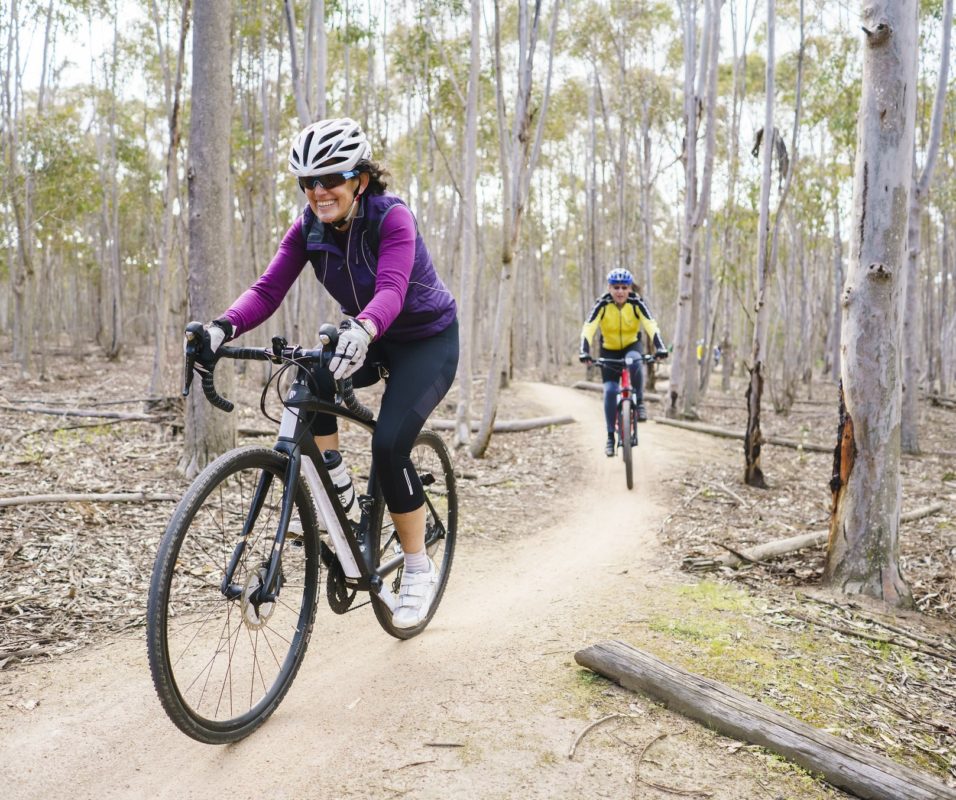
Our people love bikes. Some of us maybe a bit too much. Many of our members spend considerable time working out what S is in the algebra formula S – 1 where S equals the number of bikes that leads to separation from your spouse.
But we love bikes for a logical reason: they make us super-efficient movers.
Off a bike, we’re a mid-range animal in terms of efficiency of movement. On it, we take over from the condor and become the most efficient animal on the planet.
Simply, bikes are the cheapest, coolest, convenientest (new word we know), cwickest (needed to keep the C’s going) way to get around. And when you ride one they don’t emit carbon.
Maybe the best bit is when you ride a bike you feel like flying.
Why do we love people who ride bikes?
There’s just something about people when they pedal. They look out for one another. They stop and help if someone’s in trouble. They let someone sit behind them if it’s one of those days when the wind is punching you in the face.
Maybe it’s because you see everything when you’re on a bicycle. Maybe it’s all those endorphins making you feel good. Maybe it’s because you’re amongst kindred spirits.
It’s the essence of what it means to be part of Bicycle Network: we have each other’s back.
It’s why we look in mirror regularly and make sure we’re living our four key values.
Committed
We take on challenges with integrity and determination to create meaningful change.
Respect
We build trust through respectful and transparent communication.
Inclusive
We welcome all those who align with our vision and share our passion.
Innovative
We shape and embrace change.
What do we do?
With your help, Bicycle Network is making it easier for everybody to ride a bike, every day.
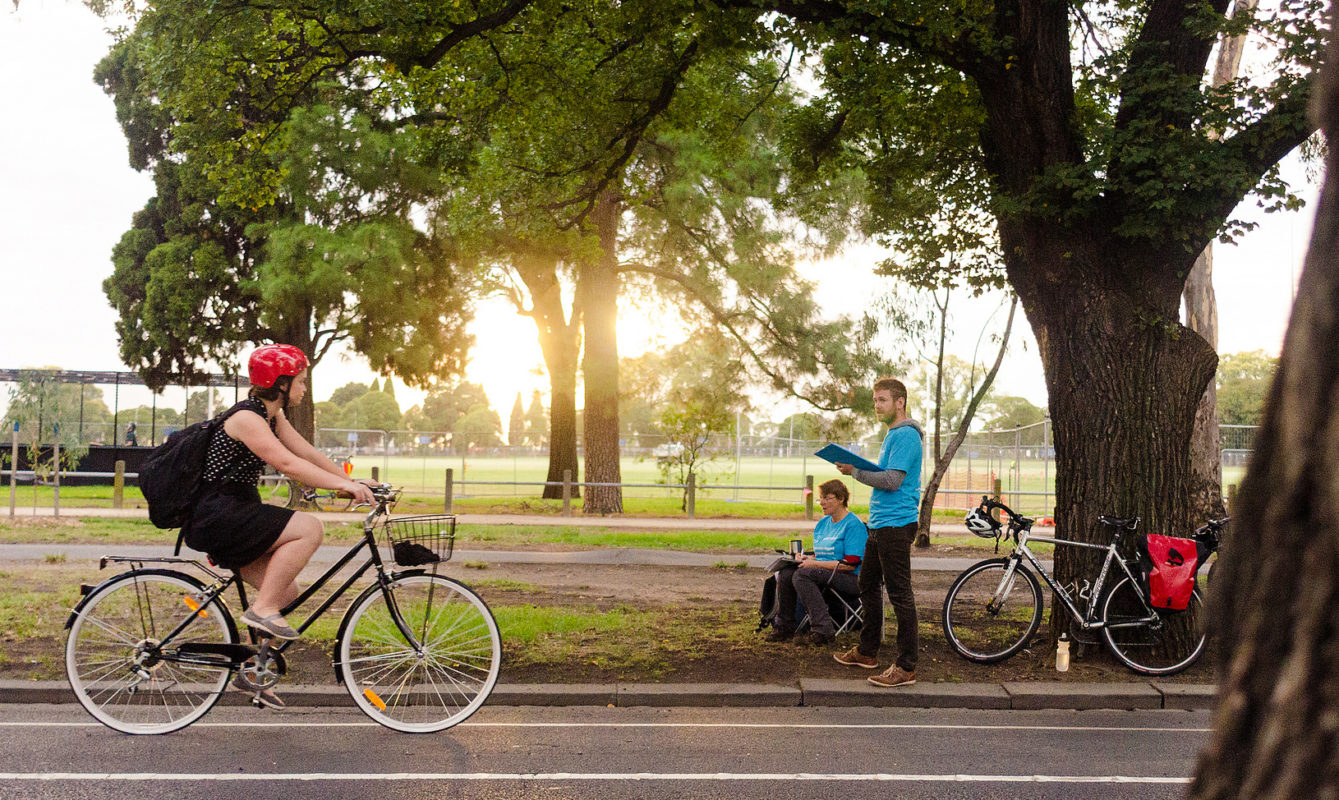
Build places to ride
We roll-up-our-sleeves and work with governments to create safer riding conditions, more facilities and fairer legislation.
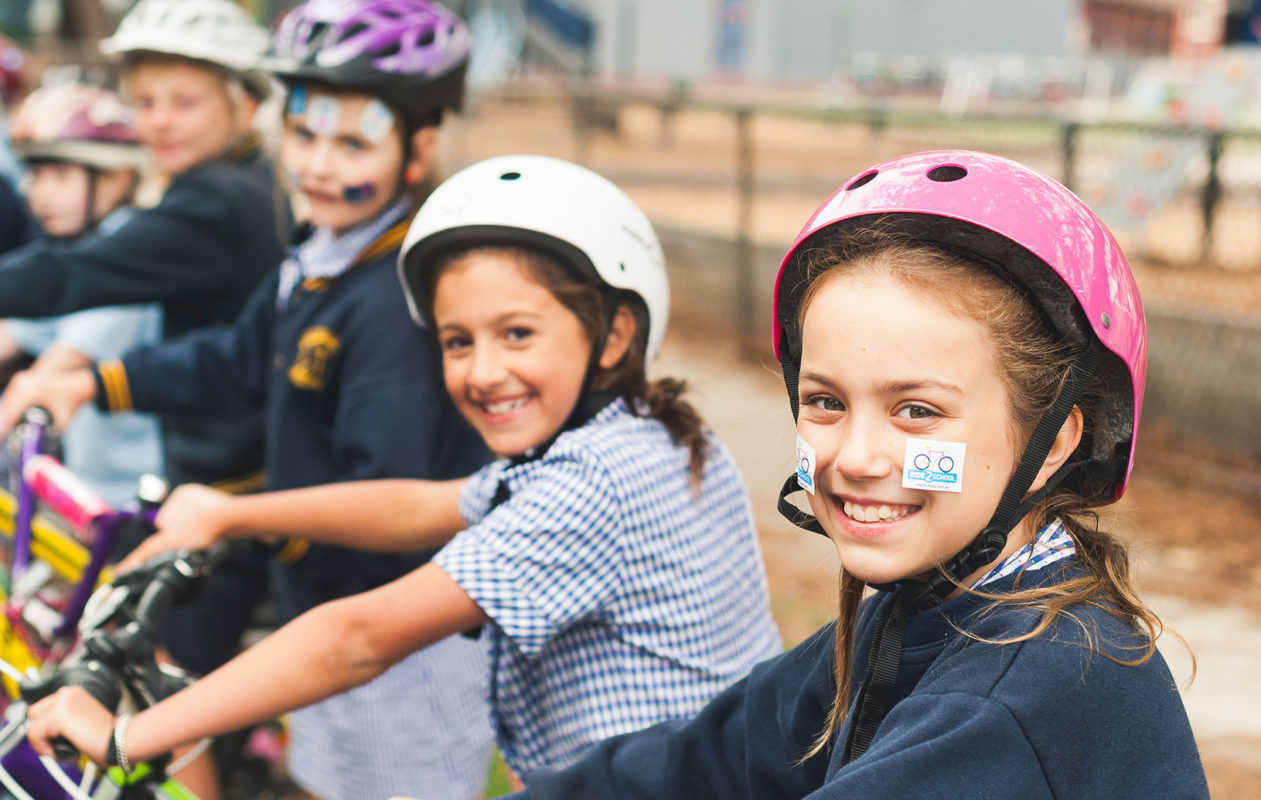
CHANGE BEHAVIOURS
Our award-winning behaviour change programs build healthy bike riding habits for people of all ages.
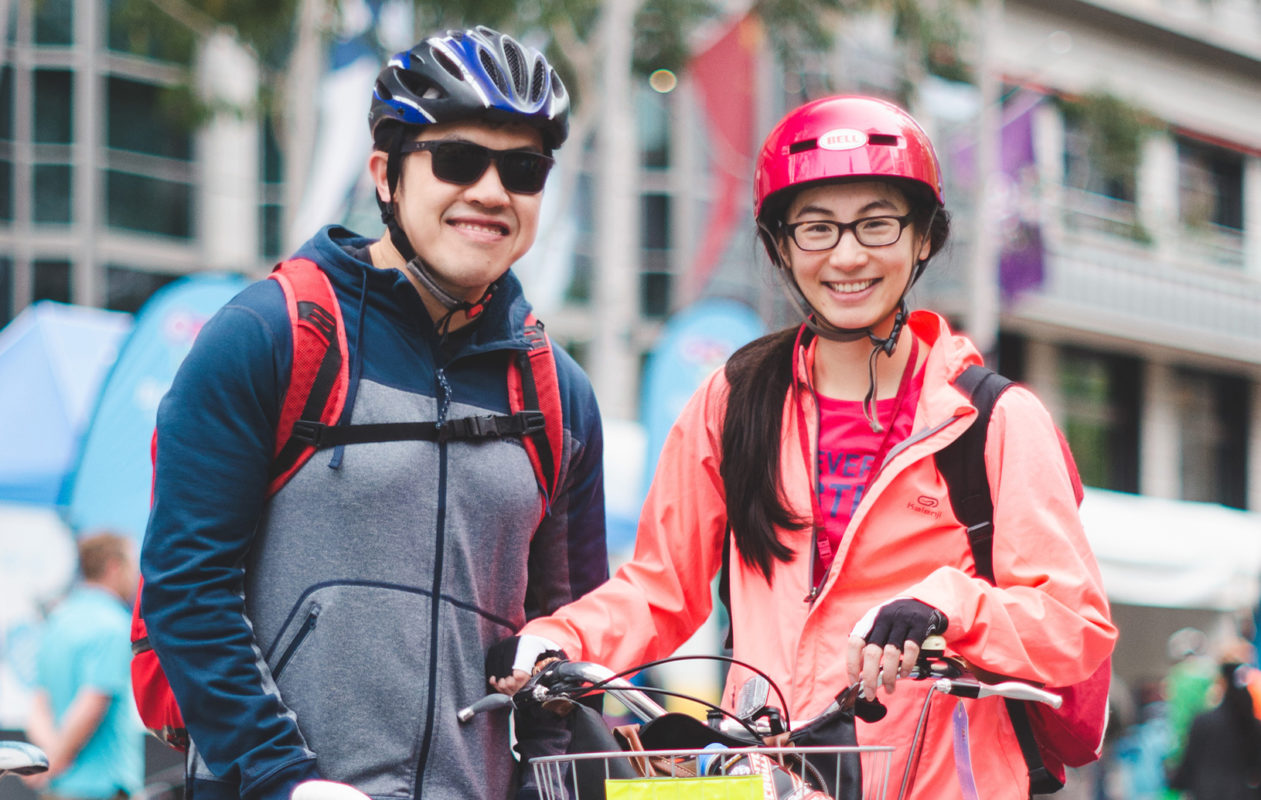
SUPPORT RIDERS
We protect and support riders across Australia with our membership services. We stand up for bike riders when they’ve been wronged.
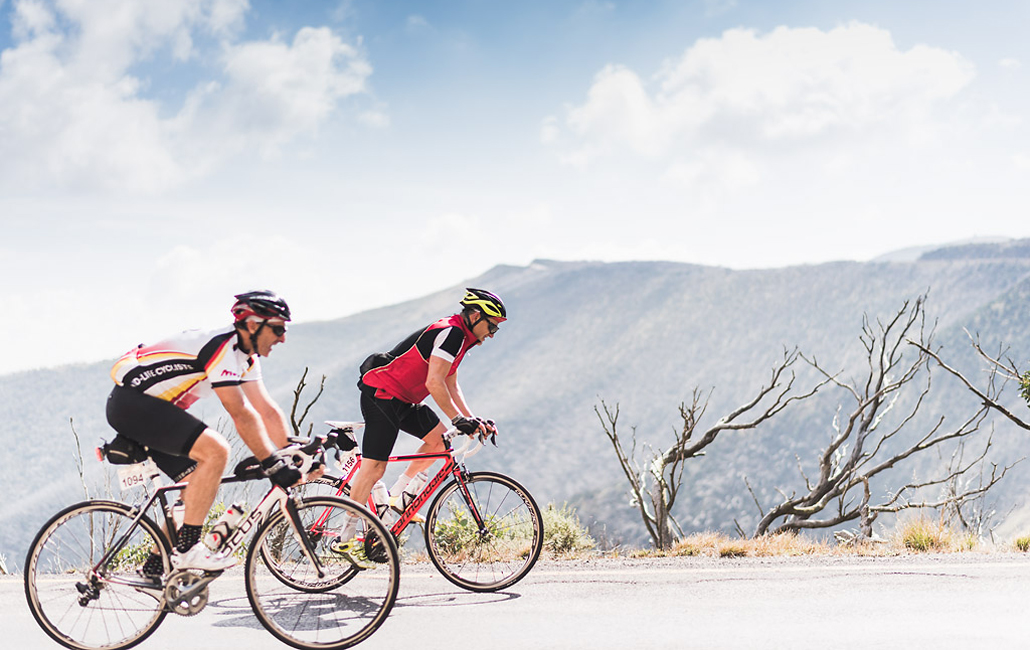
RUN EVENTS
Our world-class events brings the bike riding community together and celebrates their achievements.
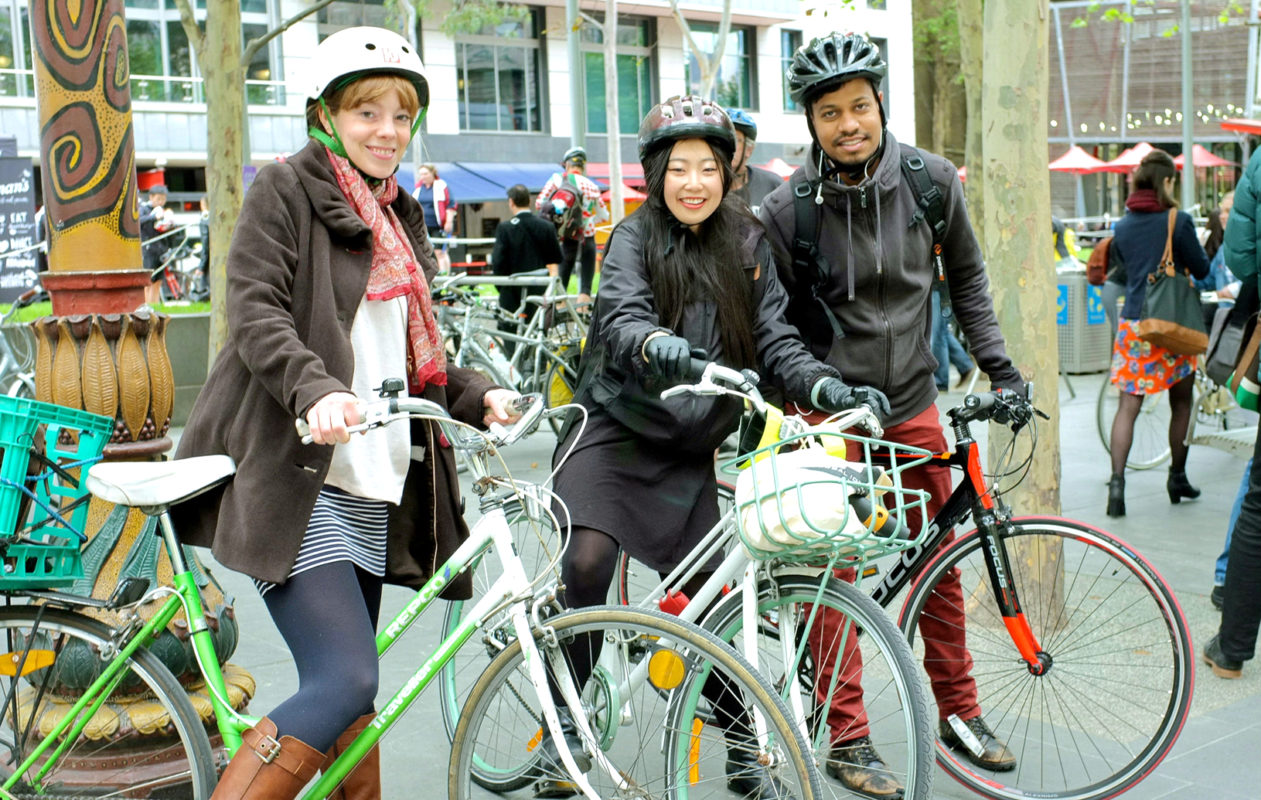
a voice for all
No matter what, how or why you ride, we make sure the voice of all riders is heard by decision makers and the media.
So that we’re working on the best things to get more people riding, we check the evidence, so that our actions are based on fact not opinion, and we pilot and test our ideas before going big.
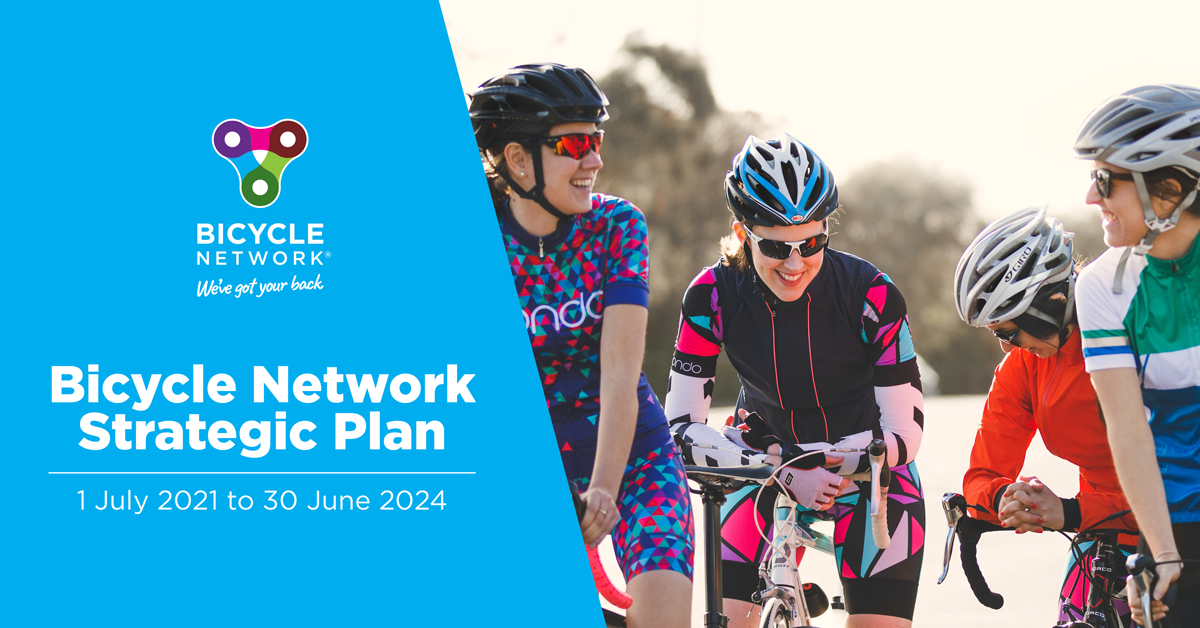
Towards 50/50
As a Change our Game champion, Bicycle Network is proud to be part of the team that’s taking a stand to increase participation and leadership of women and girls in sport and recreation.
Together we can identify and overcome the systemic barriers that hold many women back as we move towards 50/50.
We are committed to making the leadership and participation of women and girls a strategic focus in our organisation and across bike riding.
Learn more
Acknowledgement of country
We acknowledge the traditional custodians of the lands where we work and live and pay our respects to Aboriginal and Torres Strait Islander Elders past, present and emerging. We celebrate the diversity, stories and traditions of Aboriginal and Torres Strait Islander people and their ongoing cultures and connections to the lands and waters of Australia.
Bicycle Network is proudly supported by



Become our friend
Find out more about Bicycle Network and support us in making it easier for people to ride bikes.